
Signs of Early Labour

Most babies are born between 37 and 42 weeks of pregnancy, often referred to as ‘term’.

Your body will go through some changes to let you know that labour might be starting.

***Key Points***

If your labour is starting before 37 weeks that means your baby might be born prematurely.

Take some time each day to feel what is happening in your body and connect with your baby so you will know when your body is starting to show signs of going into labour.

***Key Points***

***Signs of early labour***

Some of the changes in your body that may indicate the start of labour include:

  • Increasing pressure in your pelvic area
  • A mucousy discharge called a show or the mucous plug that has been released from the cervix, there might be some streaks of blood in it
  • You might be experiencing cramping like period cramps
  • your water might release – take note of the colour, odour, amount and time (use the acronym COAT) and put a pad on.
  • you might feel nauseous or have some diarrhoea; you might feel emotional, grumpy, short tempered or excited.

When your body is getting ready for labour these are the signs that things are starting to happen. Your cervix is starting to soften and get ready to start opening, the baby will move into position and the hormones of labour will be produced and increase slowly.

This early phase of labour may take a few days before strong, regular, rhythmic contractions begin and active labour starts. There might be times where you are having some regular contractions, which might be a bit like strong period pain, then they will space out again.

***Signs of early labour***

***What can I do?***

If you can, stay home as long as possible during this early phase of labour. You can do things to distract yourself like preparing food, listening to music, taking a bath or shower, reading a book or watching a movie. If it is night time, try resting or sleeping if you can.

If you have other children that will be taken care of by other people you can start to make those arrangements. You can call the hospital to let them know what is happening if you need to.

If you do go into the hospital and they find that everything is okay, be prepared for them to send you home. If you feel more comfortable or safe with someone around, ask them to be with you.

While your body is preparing to go into labour it is important to

  • rest as much as you can.
  • Try not to expend any energy on this early stage.
  • Eat and drink as normal or try frequent nutritious snacks.
  • Go to the toilet as needed, open your bowels if you feel the need.
  • Try gentle, rocking movement if during the day, or
  • try to sleep if it night time, use lots of pillows to help you get in a comfortable position.
  • Try to stay home as long as you can.

***What can I do?***

***When to call your midwife or doctor***

Call your care provider if

  • your water breaks (put a pad on so the Midwife can check the fluid)
  • you have any bleeding (put a pad on so the Midwife can check the fluid)
  • your baby isn’t moving as normal

Make sure you put a pad on so the midwife can check the fluid or blood coming from your vagina. If you feel that your baby’s movements aren’t the normal pattern you should also call your midwife or hospital.

When your contractions are strong and regular lasting about one minute and come every 5 minutes and have been coming in that pattern for a couple of hours, active labour may have started. Call your care provider for advice.

***When to call your midwife or doctor***

Resources

Pregnancy Birth Baby – stages and signs of labour
Better Health Channel – labour

Raising Children Network – labour and birth what to expect

Routine Antenatal Visit 38

Regular antenatal care is a key component of a healthy pregnancy and provides an opportunity to receive advice, information and support, while engaging in shared decision making about your  pregnancy that is designed to suit your individual pregnancy needs.

KEY POINTS

Antenatal care should be woman centred acknowledging pregnancy is a normal life event for most.

Antenatal care improves pregnancy outcomes for both mother and baby by recognising potential problems in pregnancy early.

The range of routine antenatal care visits range from 7 – 12 throughout the course of pregnancy with the average being around 10 visits.

During each visit your midwife or doctor will discuss screening test and arrange these as required.

It’s good if your partner, a friend or a family member can go with you to antenatal appointments.

Antenatal appointments keep track of your health and your baby’s health and are a great time to ask questions, discuss concerns and get health and lifestyle support throughout your pregnancy.  All antenatal visits require a directed clinical assessment at each visit, with a focus on general wellbeing and early diagnosis of pregnancy complications.

The clinical assessment should include a –

  • blood pressure check
  • urine dip stick, usually you do this yourself
  • weight and how you can achieve a healthy weight gain
  • measure your tummy, otherwise called a symphysis-fundal height (SFH) measurement
  • listen to your baby’s heartbeat using a handheld doppler, this is always lovely to hear
  • and ask about your baby’s movements from approximately 20 weeks of pregnancy onwards.

The midwife or doctor may also

Many women attend antenatal visits every 4-6 weeks until 28 weeks of pregnancy, then every 2-3 weeks until 36 weeks of pregnancy. After this, you’ll probably have weekly or fortnightly visits until birth.  The number and timing of pregnancy appointments could be more or less than this, depending on your health and your baby’s health. For example, if you have a high-risk pregnancy you might have more pregnancy appointments. Your midwife or doctor will talk with you about the appointments you need and why.

Having access to maternity care that is culturally appropriate and personally acceptable is important throughout antenatal care. Your midwife or doctor will ideally provide informed choice, and where possible include you in both the planning and monitoring of your pregnancy care.

Choice in pregnancy care is important and your midwife or doctor will provide access to appropriate information about the benefits and potential risks of each and every option of your pregnancy care as it applies to yours and your baby’s individual needs at each antenatal visit appointment. Be sure to ask questions at each visit too.


Optimal Fetal Positioning

The position of your baby in your uterus later in pregnancy can have an influence on how your labour starts and how well it progresses.

***Key Points***

When your baby is head down, with their back on your left and their head down so their chin is on their chest this is considered the optimal position for labour and birth.

This position makes their journey as they descend and rotate through the pelvis the easiest as the smallest dimensions of the baby’s head leads the way.

There are things you can do to help your baby into a good position during pregnancy and during your labour and birth.

***Key Points***

***Preparing during pregnancy***

There are things you can do during pregnancy to encourage baby into the best position for labour.

How you sit and move your body in late pregnancy can affect the position of your baby in the uterus.

There are some exercises you can practice for short periods each day to help get your baby in a good position and these encourage alignment and mobility in the mothers pelvis in preparation for labour and birth

  • On your hands and knees, sometimes referred to as on all fours
  • Sitting on a ball or stool, like you were in a squat
  • Sitting with your hips higher than your knees and your back straight,
  • Walking briskly with good posture
  • Pelvic rocking or tilting.
  • You can rest lying on your left side with a pillow between your legs.

During pregnancy you can practice positions to keep active during labour such as: kneeling, rocking, squatting -using a ball or stool, walking, dancing, sitting backwards on a chair, lunging or kneeling on hands and knees.

These positions restore balance in the body creating space for your baby

Always follow the ‘No Pain’ rule. If you are experiencing any pain always consult your doctor or midwife

***Preparing during pregnancy***

Resources

Queensland Government – journey of labour

Planned Caesarean Section

Why may a Caesarean section be suggested for you and your baby

Induction of Labour

Approximately  one third of women have an induction of labour. An induction of labour involves your Doctor or Midwife encouraging the process of labour to start artificially before your body starts labour naturally.

***Key Points***

During your pregnancy appointments your midwife or doctor will be monitoring you and your baby to make sure you are well and your baby is well and growing as expected.

If there is something that indicates concerns for you or your baby, they may suggest induction of labour.

That may involve the insertion of a hormone or catheter into your cervix, breaking your waters, or starting a hormone drip – it is usually a combination of these interventions.

There are risks with these procedures, make sure you are informed and ask lots of questions before you make your decision.

***Key Points***


***Reasons an induction may be suggested***

If your doctor is recommending induction of labour ask questions to ensure you understand why they they are suggesting it.

It might be because they consider you to be ‘overdue’ or past 41 weeks of pregnancy, or you have high blood pressure or other illness or concerns about you. There might be concerns about your baby or that the placenta is not functioning as expected or if your baby is not moving normally for your baby. If your waters have broken but contractions have not started this may also be a reason for an induction of labour.

The most common reasons for an induction of labour are:

  • Pregnancy has gone on longer than 41 weeks without signs of spontaneous labour
  • Waters have broken bu labour has not started naturally
  • Baby is not well, not moving normally or growing well
  • Mother is unwell or has specific medical conditions.


Some women may not want to be induced because they have reached 41 weeks of pregnancy, especially if there are no signs that the baby is unwell, speak to your Midwife and Obstetrician about your choice.

These may include

  • Monitoring you baby via a CTG to check the baby’s heart beat
  • An ultrasound to check that the blood flow to and from the placenta is functioning properly, providing oxygen to the baby and taking waste products away and to check the amniotic fluid levels are within the normal range.

If no abnormalities are found, you can discuss with your doctor the option to delay the induction for a few days.

***Reasons an induction may be suggested***

***How is labour induced?***

Usually the first thing the doctor will do is to do a vaginal examination to check your cervix, they are trying to feel whether it is opening, if it is firm or soft or thinning out. Depending on the findings most women will need a combination of these steps to induce labour.

  • A prostaglandin
  • A balloon catheter
  • Artificially breaking your waters
  • A synthetic oxytocin drip

***How is labour induced?***

***The experience for you***

The method of induction will depend on how ready your cervix is for labour to begin.

A prostoglandin is a gel or tablet that is inserted into your vagina to soften the cervix. You will usually need to lie down for around 30 minutes and the have your baby’s heart rate monitored and most likely stay in hospital now until labour begins. You may feel

  • Mild cramping sensations
  • vaginal soreness
  • a small number of women  feel nauseas or experience diarrhoea or vomiting
  • Very occasionally the prostaglandin gel may stimulate the uterus to contract strongly too quickly. This can be treated with further medication to assist the uterus to relax

A balloon catheter is an alternative option to help prepare the cervix for labour. This involves a thin rubber tube called a catheter with a balloon on the end being inserted into your cervix. the balloon is inflated with a small amount of water and applies gentle pressure to your cervix.

The next step during an induction of labour is to

Break your waters, this is usually done with you lying down, the Midwife or Doctor will place a small instrument inside your vagina and through the cervix, to break the bag of water surrounding your baby. This may be uncomfortable during the examination. You will usually experience a gush or trickle of fluid once the bag of forewater has been punctured.

After that is done the Midwife will start an intravenous drip with a hormone called syntocinon. This will start your uterus contracting. A pump will control the amount of medication you are given. They start on a low dose, then increase the amount of medication every 30 minutes until you are experiencing a pattern of contractions that are about three or four in a ten-minute period lasting about one minute, making sure there is enough rest in between each contraction. They will need to monitor your baby’s heart-rate continuously with a CTG (cardiotocograph) throughout your labour when you are being induced. That means you may not be able to move around as much as you would like as you will have a IV drip and are attached to a CTG machine.

When you have the syntocinon drip, they will also start some plain intravenous fluids. The midwife will closely monitor the intravenous fluid and medication, as well as your baby’s heart-rate and your observations [such as pulse, blood pressure and contraction pattern] will be regularly observed. The doctor or midwife caring for you may also want to perform a vaginal examination every four hours or so to check to see that your cervix is opening.

Because your body is not naturally going into labour, it can be more painful than natural labour and some women ask for pain relief more quickly than if they weren’t being induced.  If you have an epidural, it might stop you from feeling the sensations of your body and you might need some help to get the baby out. The doctor may need to use forceps or a vacuum. If you have an epidural you will most likely be confined to the bed, however you can still change positions using the functions of the bed to support you. Your midwife should be able to help with position changes.

***The experience for you***

***The risks of an induction of labour***

For some women, an induction does not result in labour starting and you need to have a caesarean.

You are at a higher risk of your uterus being over stimulated from the synthetic hormones used during an induction. There are risks to the baby including a lack of oxygen due to the strength and frequency of the contractions. Talk to your care provider for risks specific to you and your baby. It is always important to balance the risks and benefits of an induction of labour and make a decision in collaboration with your doctor or midwife

***The risks of an induction of labour***

References

Pregnancy Birth Baby – induced labour

Pregnancy Birth Baby – induced labour what are your options?

RANZCOG – induction of labour


Group B Streptococcus

Between 10-30% of women normally have GBS in their vagina and bowel. Approximately 20% of women will test positive to Group B streptococcus [GBS] during pregnancy. GBS is a transient bacterium, that means it is there sometimes and other times is not.

***Key Points***

If Group B strep is present during pregnancy, labour or birth, it does not affect you but if your baby is exposed to it during birth, for example if your waters break some time before birth, there is a chance your baby can become unwell.

You will be offered a test to see if the bacteria are present in your vagina at around 36 weeks of pregnancy. If positive, you will be offered antibiotics during labour. There is a small chance that your baby can develop an infection if exposed to GBS

***Key Points***

***Testing for GBS Streptococcus***

The GBS swab is a test that you can do yourself – you insert a swab (a bit like a cotton bud) into your vagina (only about one centimetre) and around your anus, then you put the swab into a tube that comes with the swab. Usually your midwife or doctor will give you the kit to do the test yourself and you complete it in the bathroom during one of your antenatal appointments.

***Testing for GBS Streptococcus***

***I have tested positive – what does this mean?***

If the test results are positive, it means that when your waters break in labour or before labour, you will be offered antibiotics (usually penicillin) to help protect the baby from becoming unwell. A very small number of babies exposed during labour may develop a serious infection such as meningitis, pneumonia or blood poisoning. This is thought to affect about 1 to 2 babies in every 1000 live births. When the infection occurs during labour it is called ‘early-onset GBS disease’ and may happen up until about 6 days after the birth. When it happens later, up until 3-6 months after the birth, it is called ‘late-onset GBS disease’.

Some hospitals offer the test to everyone who is pregnant, others will offer it only to people who are considered high risk, this is called routine testing and risk-based testing respectively. Antibiotic treatment for women who screened positive to GBS has been shown to be effective in reducing the chance of the newborn developing early onset GBS disease in 86-89% of cases. There is no high level evidence to support screening to prevent GBS disease but some other studies have shown some benefits of screening in the reduction of GBS transmission.

***I have tested positive – what does this mean?***

***Is my baby at risk?***

You might be considered high risk if you have had GBS in a previous pregnancy, or a previous baby with a GBS infection, or you are at a higher risk of having a pre-term birth. Your baby might also be at higher risk of being infected with GBS if your waters are broken for a long time [18 hours] before the birth, if you give birth or your waters break before you are 37 weeks pregnant or you have a high temperature during labour.

***Is my baby at risk?***

***After birth***

After the birth, if you were positive to GBS your baby will be monitored for the first couple of days to make sure they are not becoming unwell

Although rare, some babies become very unwell from exposure to GBS in the weeks after the birth. If you notice your baby seems unwell, is lethargic or sleepy, the legs and arms look floppy, appears to be having difficulty breathing or not feeding well you should seek help urgently. Call triple zero [000] or go to your local emergency department.

***After birth***

References

Pregnancy Birth Baby – Group B strep test

Queensland Health – GBS

RANZCOG – Group B Streptococcus

Department of Health – Group B Streptococcus

Movements Matter

Being aware of your baby’s movements throughout pregnancy is one of the simplest ways to monitor our baby’s health and wellbeing.

***Key Points***

  • Regular and healthy movements are a good indication of your baby’s wellbeing.
  • You should continue to feel your baby move right up to the time you go into labour and whilst you are in labour too.
  • If at any point you are concerned about your baby’s movements, or if you notice a change in your baby’s movements  contact your doctor or midwife immediately.

***Key Points***

***Movements Matter***

You will start to feel your baby move between weeks 16 and 24 of pregnancy.

This should happen regardless of where your placenta lies.

You should feel your baby’s movements right up until they are born,

There is no set number of normal movements. You should get to know your baby’s movements and what is normal for them.

A baby’s movements can be described as anything from a flutter or kick, to swish and roll. These are signs that your little one is well!

When babies become unwell, they may slow down their movements in order conserve energy- this could be an early indication of something being wrong with them so contact your care provider immediately if you have any concerns about changes in activity levels.

It’s important that this information be shared with partners, family and friends so that they too can understand the importance of your babies’ movements.

***Movements Matter***

***Common myths***

It is not true that babies move less towards the end of pregnancy. You should continue to feel your baby move right up to the time you go into labour and whilst you are in labour too.

If you are concerned about your baby’s movements, having something to eat or drink to stimulate your baby does not work. This is outdated advice. You should always phone your care provider.

***Common myths***

***Monitoring your baby movements***

Sit or lie down in a quiet place, try to relax, and focus on feeling your baby’s movements

Get to know your baby’s movements. The easiest way to learn your baby’s normal pattern of movement is to choose a time when baby is usually active and be mindful of their movements at this time.

If you are still concerned about your baby’s movements after doing this, contact your doctor of midwife that very day or night.

***Monitoring your baby movements***

***If I am concerned***

If at any point you are concerned about your baby’s movements, please contact your doctor or midwife. It is very common for pregnant women to have concerns about their baby at some point in their pregnancy. It is part of the natural role of a mother or mother-to-be to do things to look after your baby and your midwife or doctor is there to help you, no matter what time of night or day.

Please don’t feel silly about contacting your doctor or midwife if you ahve concerns.  Remember that no one knows your baby better than you do. It’s your body and your baby, so trust your instincts.

***If I am concerned***

***What will happen in hospital?***

If you have contacted your doctor or midwife and your doctor or midwife suggests that you come in to hospital, there are a few things that you can expect to happen.

First, your doctor or midwife will likely ask you questions about any known risk factors or issues you might have had during pregnancy.

Then he or she may do a CTG (cardiotocograph)This will involve placing an elastic belt around your belly to measure your baby’s heart rate. Your doctor or midwife will also feel your belly to see where your baby is positioned and to check his or her growth.

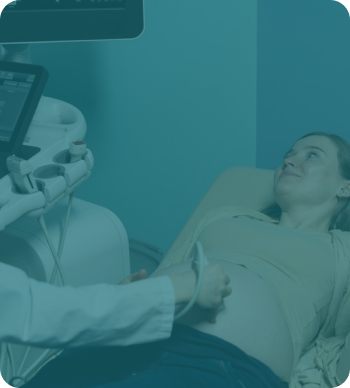
After this, your doctor or midwife might do an ultrasound of your baby.  Ultrasound scans can also be used to measure your baby’s heart rate and blood flow, and to check on growth.

***What will happen in hospital?***

Resources

The Safer Baby Bundle


Routine Antenatal Visit 30-33

Regular antenatal care is a key component of a healthy pregnancy and provides an opportunity to receive advice, information and support, while engaging in shared decision making about your  pregnancy that is designed to suit your individual pregnancy needs.

KEY POINTS

Antenatal care should be woman centred acknowledging pregnancy is a normal life event for most.

Antenatal care improves pregnancy outcomes for both mother and baby by recognising potential problems in pregnancy early.

The range of routine antenatal care visits range from 7 – 12 throughout the course of pregnancy with the average being around 10 visits.

During each visit your midwife or doctor will discuss screening test and arrange these as required.

It’s good if your partner, a friend or a family member can go with you to antenatal appointments.

Antenatal appointments keep track of your health and your baby’s health and are a great time to ask questions, discuss concerns and get health and lifestyle support throughout your pregnancy.  All antenatal visits require a directed clinical assessment at each visit, with a focus on general wellbeing and early diagnosis of pregnancy complications.

The clinical assessment should include a –

  • blood pressure check
  • urine dip stick, usually you do this yourself
  • weight and how you can achieve a healthy weight gain
  • measure your tummy, otherwise called a symphysis-fundal height (SFH) measurement
  • listen to your baby’s heartbeat using a handheld doppler, this is always lovely to hear
  • and ask about your baby’s movements from approximately 20 weeks of pregnancy onwards.

The midwife or doctor may also

Many women attend antenatal visits every 4-6 weeks until 28 weeks of pregnancy, then every 2-3 weeks until 36 weeks of pregnancy. After this, you’ll probably have weekly or fortnightly visits until birth.  The number and timing of pregnancy appointments could be more or less than this, depending on your health and your baby’s health. For example, if you have a high-risk pregnancy you might have more pregnancy appointments. Your midwife or doctor will talk with you about the appointments you need and why.

Having access to maternity care that is culturally appropriate and personally acceptable is important throughout antenatal care. Your midwife or doctor will ideally provide informed choice, and where possible include you in both the planning and monitoring of your pregnancy care.

Choice in pregnancy care is important and your midwife or doctor will provide access to appropriate information about the benefits and potential risks of each and every option of your pregnancy care as it applies to yours and your baby’s individual needs at each antenatal visit appointment. Be sure to ask questions at each visit too.


Musculoskeletal Issues in Pregnancy

KEY POINTS:

Due to hormonal changes of pregnancy, the increasing weight of your growing baby and pressure on your hips and skeleton, you might experience some pain or discomfort in your bones or joints.

Commonly in the lower back, pelvic girdle, in joints and muscles and in the hands and wrists

Symptoms can present in a number of ways, you might experience weakness or numbness in your back, pelvis, hips, shoulders or even your wrists, hands or fingers. Your muscles may feel tight, tired or weak causing pain in the area. Symptoms can vary in severity from mild to severe and having an impact on how easily you can move around and sometimes how you walk.

Your core strength may be weakened by the pregnancy and this might make otherwise simple movements more difficult, such as getting out of bed, out of a chair or getting out of the car.

You might feel pain around your pelvic, lower back or hip area – this can be called ‘pelvic girdle pain’. If you can feel pain right in the middle at the front of your pelvis that may be made worse by movements that separate your legs such as getting out of bed or the car.

Your pelvic floor muscles may be affected by the weight of the baby causing you to feel pain or incontinence problems [both urinary and/or faecal]. This might happen before or after the pregnancy.

Try to avoid lots of walking, lying flat, getting in and out of bed without care, doing too much exercise or heavy lifting, deep squats or going up and down stairs.

For some relief, don’t overdo things, try not to ignore the pain, walk less, do less things such as heavy lifting or over exerting yourself, keep your knees together in bed and sleep on your side.

Talk to your midwife or doctor if your symptoms are bothering you.

Glucose Tolerance Test

About 10-15% of people will develop diabetes during pregnancy, known as Gestational Diabetes, around 24-28 weeks, if you are at higher risk , such as having diabetes in the family, having a high BMI, having had diabetes before and so on, you may develop diabetes earlier.

***Key Points***

The oral glucose tolerance test (OGTT or GTT) is offered to everyone during pregnancy to diagnose GDM.

If you are at higher risk of developing diabetes you might be offered the GTT earlier in pregnancy, around 14-16 weeks and then again at 28 weeks, when everyone else is offered the test.

Diabetes occurs when the hormones in your body are not able to manage the levels of sugar [or glucose] in your blood. During pregnancy some people are more likely to develop diabetes than others.

***Key Points***

***How will this impact my pregnancy and my baby?***

Usually the type of diabetes you develop during pregnancy goes away after the birth but it may increase your chances and your baby’s chances of developing diabetes later in life.

If you have diabetes during pregnancy and it is not diagnosed or managed well, your placenta may pass too much sugar and fat to your baby causing your baby to grow more than the average sized baby. If you manage your diabetes well during pregnancy the risks to you and the risk to your baby will be reduced.

***How will this impact my pregnancy and my baby?***

***Testing for GDM***

Allow about 3 hours to complete the test on the day you are having it. The GTT involves: eating your normal diet for at least 3 days before the test; fasting [no food and only sips of water if thirsty] from the night before about 8-10 hours before the test; a blood test is taken then within 5 minutes you are given a very sweet drink; you return for another blood test after one hour and again after two hours.

If your blood sugar levels are higher than normal you will be told that you have gestational diabetes [GDM] and it will be recommended that you see a specialist team who can provide advice to manage your diabetes. The team might involve a doctor, diabetes educator and/or dietician. Sometimes diabetes can be managed with diet and exercise and monitoring your sugar levels. Your baby may also be born with low blood sugar levels, so they will be checked after the birth.

***Testing for GDM***

References

Health Direct – Blood Glucose Test

Safer Care Victoria – Gestational Diabetes

The Women’s – Gestational Diabetes